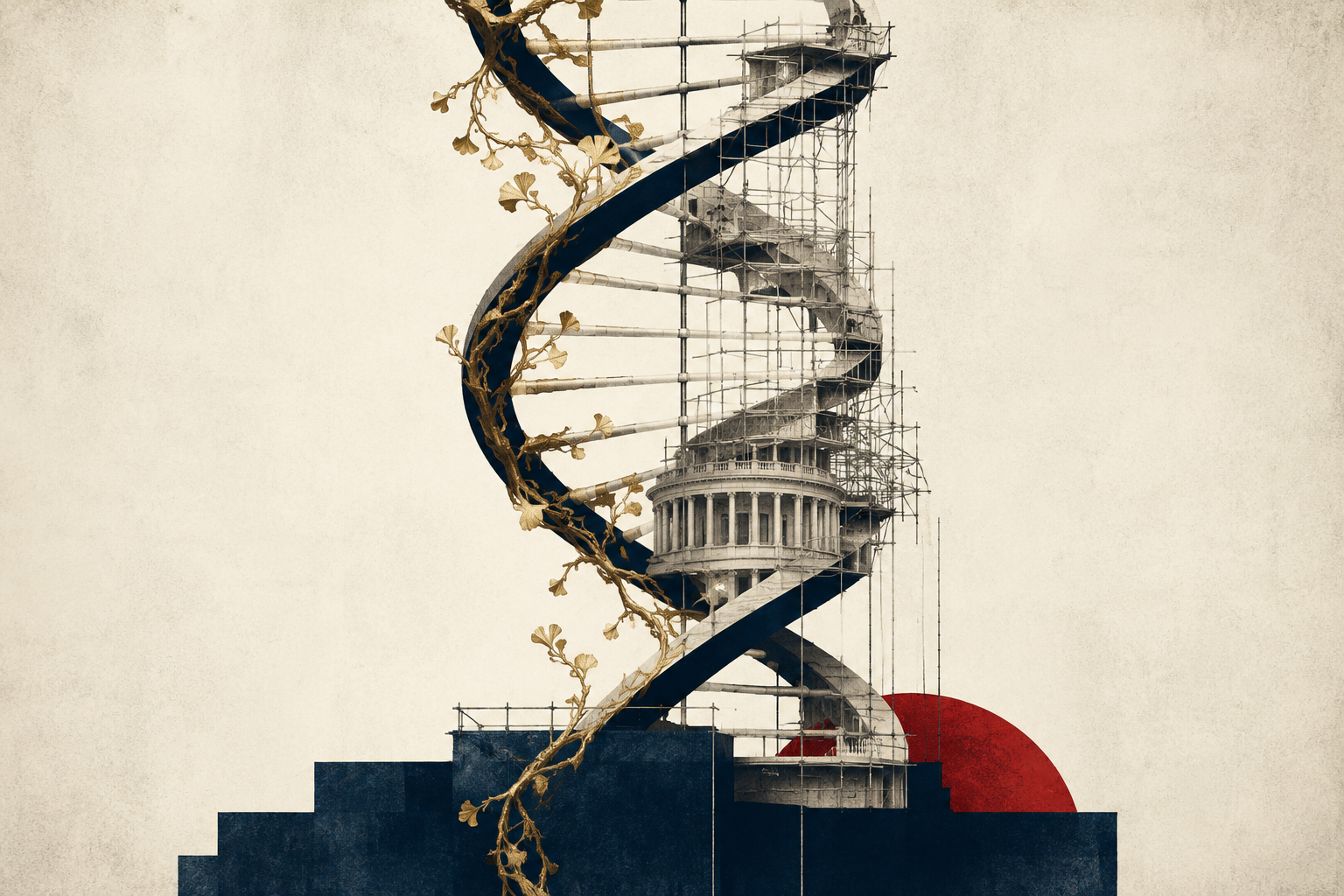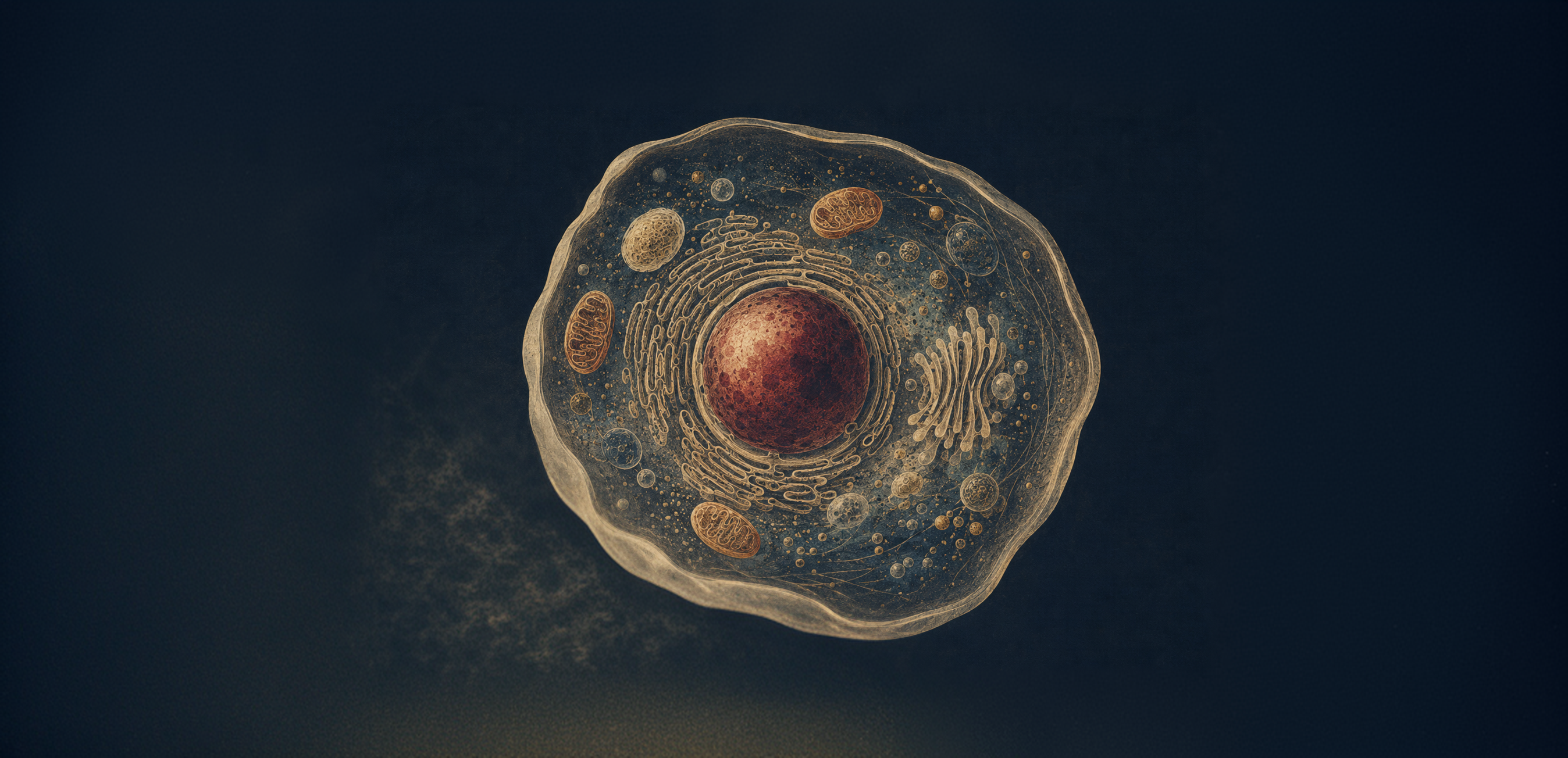
In 2006, a team at Kyoto University reported that mature cells could be returned to an embryonic-like state through the introduction of a small set of transcription factors. The resulting cells — induced pluripotent stem cells — could, in principle, become any tissue in the body. The finding was recognized with the Nobel Prize in Physiology or Medicine in 2012.
What made the discovery remarkable was not only its result but its economy. The reprogramming required a handful of factors rather than the dozens researchers had anticipated. A process that biology had treated as one-directional turned out to be reversible.
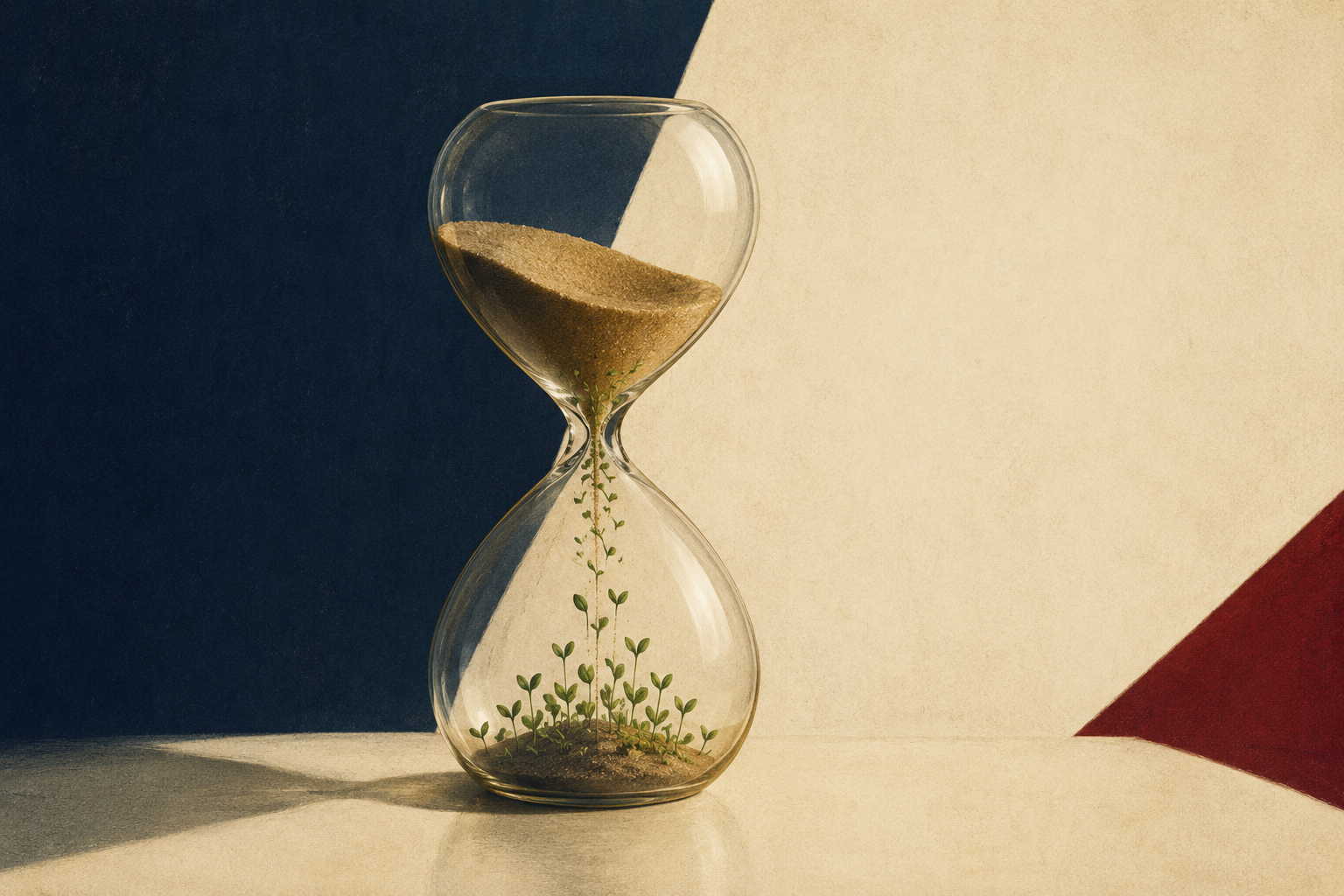
A process that biology had long treated as one-directional turned out, under the right conditions, to be reversible.
Two decades on, the practical questions have shifted from whether reprogramming is possible to how it can be made safe, consistent, and affordable at clinical scale. Trials in macular degeneration, Parkinson's disease, and cardiac repair are underway in several countries, each testing a different piece of that problem.
The scientific story is far from finished. What follows here will consider where regenerative medicine stands today, what its near-term promise realistically includes, and which obstacles remain genuinely unsolved.