For three decades, I have been making what was once a controversial argument. Humanity is moving toward a future in which we will possess increasingly powerful abilities to read, write, and rewrite the genetic code of life, including our own. The essential question is whether we can learn to deploy these rapidly advancing technologies wisely to ensure that the benefits outweigh the harms.
When I testified before Congress in 2008 on "Genetics and Other Human Modification Technologies," I argued that the ability to alter human biology would become one of the defining challenges of our age. At the time, many people viewed these questions as science fiction. CRISPR had not yet been discovered. Human genome editing remained largely theoretical. But even then, it was clear to me that biology was becoming a form of information technology and that our increasing ability to understand and manipulate biological systems would eventually transform medicine, reproduction, agriculture, national security, and the future trajectory of our species.
In 2014, in my Foreign Affairs article "The Genetics Epidemic," I warned that the rapid advance of genetic technologies was outpacing our social, political, and regulatory institutions. The challenge was never simply scientific. It was always about governance. How would societies make wise decisions about technologies capable of altering future generations? How could we avoid turning humanity's most powerful new capabilities into a source of conflict, inequality, or abuse?
Five years later, in my book Hacking Darwin: Genetic Engineering and the Future of Humanity, I argued that humanity was entering a new chapter in our evolutionary history. For nearly four billion years, our species evolved through random mutation and natural selection. Increasingly, we would become active participants in shaping our own future evolution. The implications of that transition would be profound.
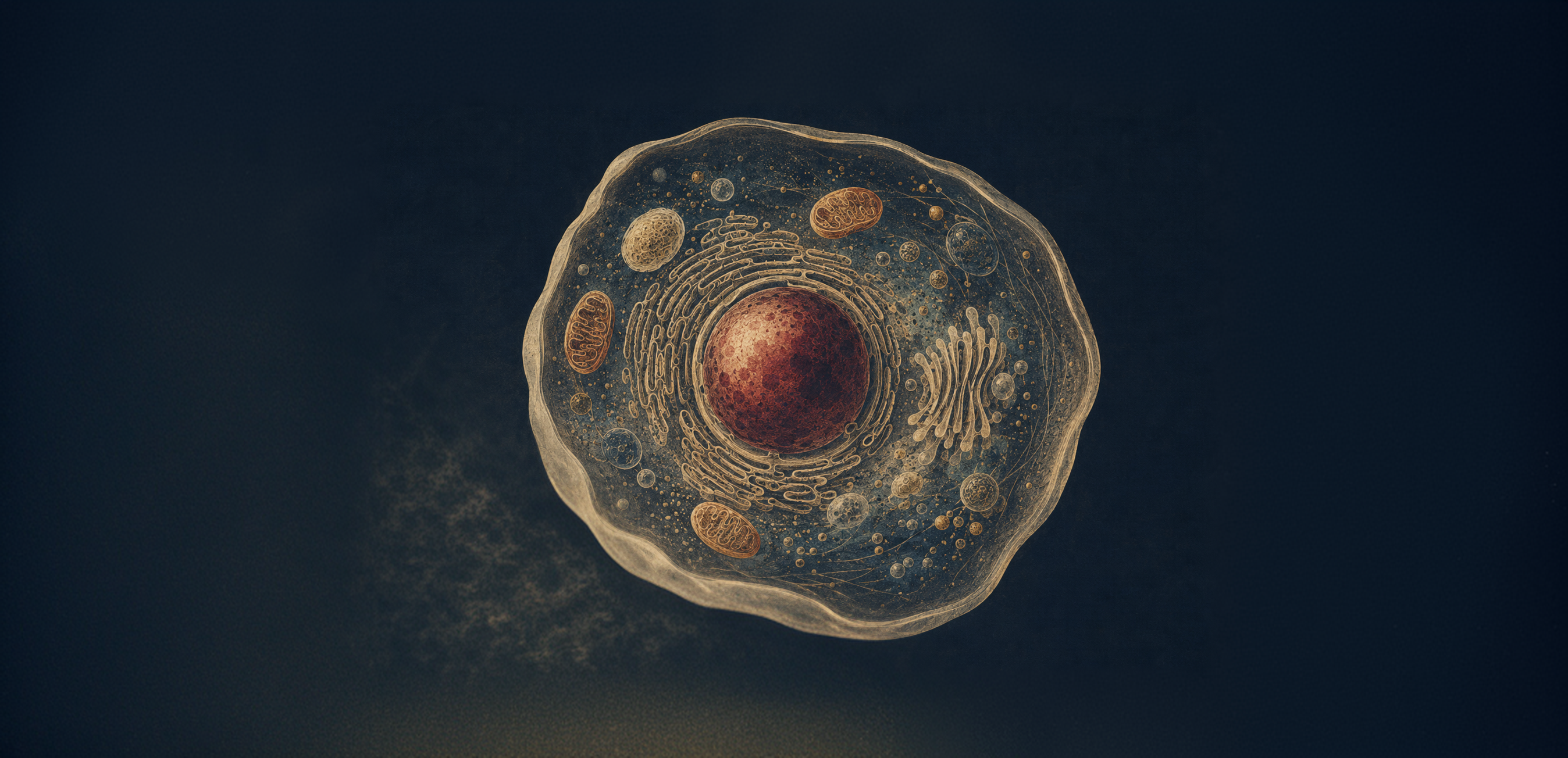
Today, the science continues advancing. A newly released study from Dieter Egli et al offers another glimpse of where the field may be heading. Using a newer and more precise form of gene editing, the researchers were able to make targeted genetic changes in human embryos without causing the major chromosomal damage often associated with earlier approaches. The study suggests that some of the most important technical obstacles to safe human genome editing may be gradually becoming more manageable.
For years, many of the arguments against human genome editing rested on the technology's limitations. As some of those technical barriers begin to fall, the most important questions increasingly become social, ethical, political, and institutional.
For decades, I have been calling for a "species-wide dialogue" on the future of human genome editing. Following the birth of the world's first genome-edited children in China, I served on the World Health Organization's Expert Advisory Committee on Human Genome Editing, working with colleagues from around the world to develop recommendations for governance, oversight, transparency, international coordination, and public engagement. Together, we produced a comprehensive framework for the institutions and norms needed to help ensure these extraordinary technologies are developed and used in ways that are safe, ethical, and equitable.
Unfortunately, despite some meaningful progress, far too little has happened. Our governance systems are moving forward incrementally while the science races ahead. That must change. We need broader public dialogue, stronger norms, more effective regulatory frameworks, deeper international cooperation, and robust networks for sharing best practices. The time to build more robust governance systems is now, before events overtake us.
The same questions arise in artificial intelligence, synthetic biology, advanced biotechnology, and autonomous systems. How do we create governance systems capable of managing powerful innovations without suffocating them? How do we promote responsible innovation while protecting human dignity and human flourishing? Our responsibility is to lay the foundations that will help us and future generations navigate these radical changes wisely and well.
Originally published June 8, 2026 at jamiemetzl.com